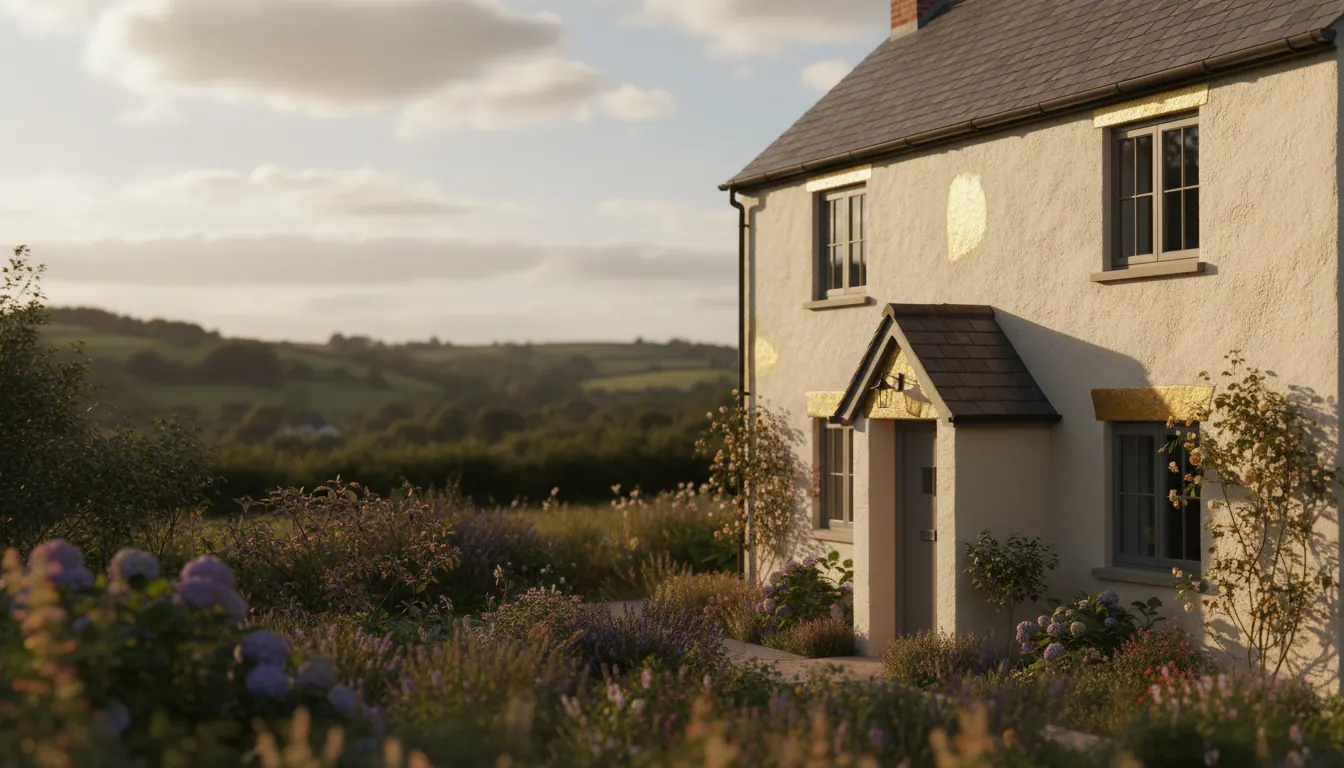
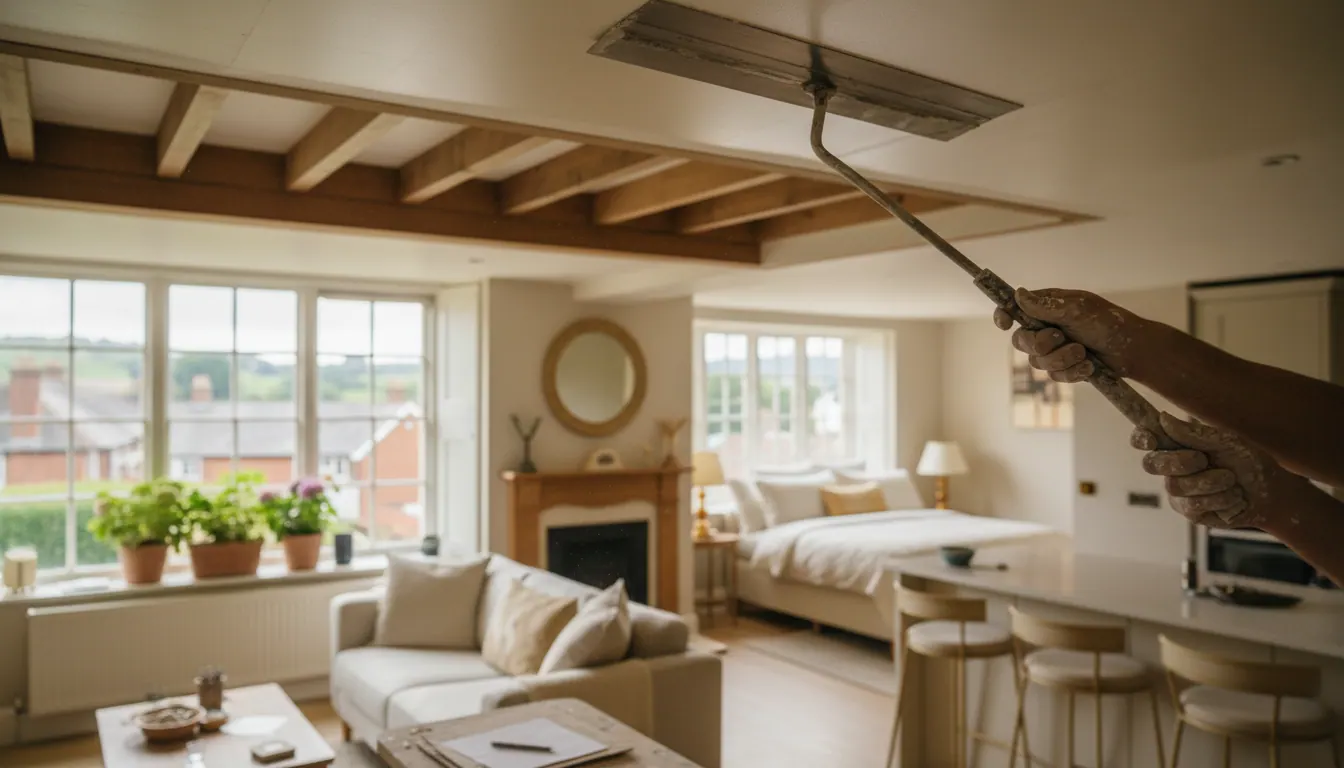
Rendering Dorset Homes: Weathering Coastal and Rural Conditions
Planning external rendering in Dorset? We cover silicone, monocouche, lime and spray cork render to help you choose the right finish for your home.

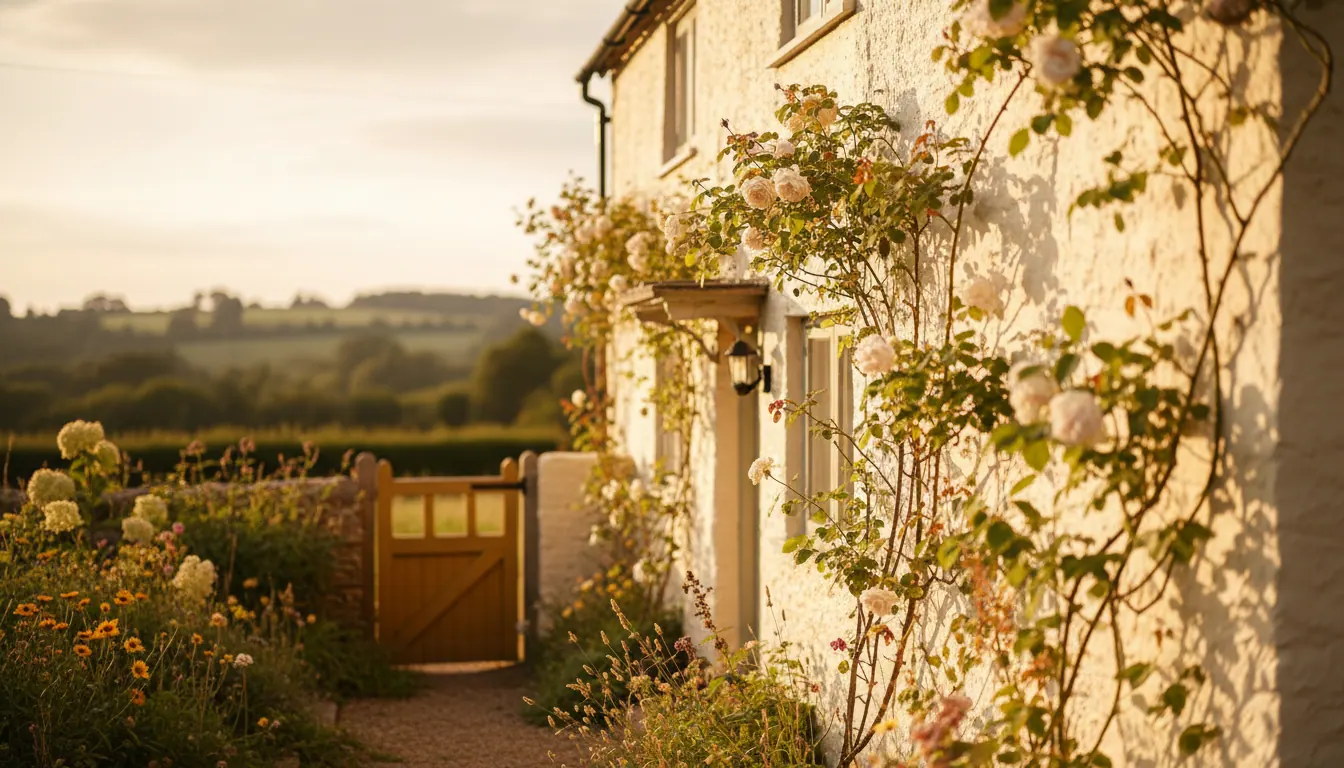
Rendering in Dorset: What Actually Works on Local Homes
Dorset homes come in all shapes and ages. Stone-built cottages that have stood for centuries. Post-war semis and bungalows. Modern extensions tacked onto older properties. Each one has different walls, different exposure and different needs when it comes to external render. Getting the finish right matters, and that starts with understanding what your walls are made of and what the local climate will throw at them.
We cover the whole of Somerset and Dorset, and we work on everything from a single rendered front elevation to full new-build rendering contracts. If you are thinking about re-rendering your Dorset home, this guide should answer the questions we hear most often.
Why the Right Render Matters More in Dorset Than You Might Think
Dorset catches a fair amount of weather. Coastal areas face salt-laden air and driving rain. Inland spots get their own share of damp winters and temperature swings. The wrong render on the wrong wall will crack, absorb moisture and fail faster than it should.
The main options we work with are:
- Silicone render (through-coloured, water-repellent, flexible and low-maintenance)
- Monocouche render (one-coat, through-coloured, float finish, suits modern and traditional homes)
- Lime render (breathable, essential on older solid-wall properties)
- Spray cork render (textured, highly breathable, good thermal performance)
Each one suits a different situation. The sections below explain which is which.
Silicone Render: The Go-To for Modern and Post-War Dorset Homes
Silicone render has become the most requested finish we apply across Somerset and Dorset, and it is easy to see why. It is through-coloured, so there is no painting required. It is highly flexible, which means it handles the natural movement of a house without cracking. And its water-repellent surface sheds rain rather than soaking it in, which keeps walls looking clean for far longer than older cement-based finishes.
For a post-war semi or a 1970s bungalow in Dorset, silicone render is usually our first recommendation. The range of colours available is wide, the finish is consistent, and it holds up well against the kind of wet, windy winters Dorset regularly delivers.
One thing worth knowing: silicone render goes on over a base coat and mesh system, so the preparation stage is just as important as the topcoat. We take that preparation seriously because a well-prepared substrate is what gives the finished wall its long-term durability.
If you are weighing up silicone against monocouche, our article Silicone Render vs Monocouche: Which Through-Coloured Finish Suits Your Bridgwater Home? covers the differences in practical detail.
Monocouche Render: One Coat, Clean Lines, Works on Stone and Brick
Monocouche is a single-coat, through-coloured render that is floated to a textured finish. It suits both modern homes and older properties where you want a clean, uniform look without a painted finish. Because the colour goes all the way through, minor scuffs and surface weathering do not show as they would on a painted wall.
In Dorset, monocouche works particularly well on stone-built properties where the original finish has failed or where the owner wants a consistent colour across a mix of materials. It bonds well to brick and stone substrates when applied correctly, and the float finish gives it a natural, slightly textured appearance that sits comfortably on period and traditional homes.
Lime Render: Non-Negotiable for Older Solid Walls
Older Dorset properties, especially those built before cavity-wall construction became standard, need a breathable render. Solid stone or solid brick walls absorb moisture and need to release it again. Trap that moisture with an impermeable render and you will drive damp into the wall rather than letting it breathe out.
Lime render is the correct choice for these buildings. It is soft, flexible and vapour-permeable. It moves with the wall rather than cracking away from it, and it allows moisture to escape without causing damage. We offer natural lime render and modern lime render systems, and we will always advise which is appropriate for the wall in front of us.
If you have an older Dorset cottage or farmhouse and you are seeing cracked or blown cement render on solid walls, replacing it with lime is not just a cosmetic decision. It is the right thing for the building. Our article on Lime Render for Older Solid Walls: Why Breathability Matters in Somerset Homes goes into the detail of why this matters and what to expect from the process.
Spray Cork Render: A Textured, Breathable Option Worth Knowing About
Spray cork render is less well known than silicone or monocouche, but it deserves more attention. It is applied as a textured coating and it is highly breathable, which makes it suitable for older walls as well as modern ones. The cork content gives it a distinctive, natural texture that suits rural and coastal Dorset properties particularly well.
It is also a good option where a homeowner wants something a little different from the standard smooth or lightly textured finishes. If you are curious about it, we have written a full explainer: Spray Cork Render: Texture, Finish and Suitability for Somerset and Dorset Homes.
What Our Customers Say
We work hard to leave every job clean, tidy and finished to a standard we are genuinely proud of. That matters as much on a small domestic job as it does on a large commercial contract.
"Lewis has done an amazing job on rendering the front of our property. Very professional clean and tidy. Will have him back to do more work on our property"
- Kim King, via Google
That kind of feedback is exactly what we aim for. A clean, professional finish and a tidy site when we leave.
Rendering Dorset: Period Homes, Modern Builds and Everything Between
Dorset has a wide mix of housing stock, and we are set up to work across all of it. Rendering a modern detached house in a new development is a very different job to re-rendering a Victorian terrace or a stone barn conversion, and we approach each one accordingly.
For new builds and larger developments, we use machine-applied render systems where appropriate. These deliver a consistent, high-quality finish efficiently and are well-suited to larger elevations and repetitive work on multiple plots.
For domestic re-renders, the approach is more considered. We look at the existing substrate, check for movement or damage, and recommend the finish that will perform best on that particular wall. There is no single right answer for every Dorset home, and we would rather take the time to advise properly than push a finish that does not suit the building.
Signs Your Render Needs Replacing
Not sure whether your render needs attention? Here are some signs worth looking out for:
- Cracking. Fine surface cracks can often be managed, but deep or widespread cracking, especially following the line of the substrate, usually means the render has failed.
- Hollow or blown areas. Tap the wall gently. A hollow sound means the render has detached from the substrate behind it. This will not improve on its own.
- Damp patches on internal walls. Failed render lets water in. If you are seeing damp on interior walls that tracks back to an external elevation, the render is worth investigating.
- Staining and algae growth. Older cement-based renders absorb moisture and can develop green or black staining. Modern silicone and monocouche finishes are far more resistant to this.
- Paint peeling repeatedly. If you are repainting your render every couple of years because it keeps peeling, the underlying render may be failing. A through-coloured finish removes the need for painting altogether.
Frequently Asked Questions
What is the best render for a Dorset home exposed to coastal weather? For homes near the Dorset coast, we generally recommend silicone render. Its water-repellent surface handles salt air and driving rain well, and its flexibility means it copes with the thermal movement that exposed coastal locations produce. For older solid-wall properties near the coast, a breathable lime or spray cork render is more appropriate, as these walls need to release moisture rather than have it trapped.
Can you render over existing render in Dorset? Sometimes, but it depends on the condition of what is already there. If the existing render is sound, well-bonded and not blown, a new finish coat may be possible. If there are hollow areas, cracking or signs of moisture behind the render, the old material needs to come off first. We always assess the existing surface before recommending an approach.
Do you work on period and stone-built properties in Dorset? Yes. Older solid-wall properties need careful handling, and we are experienced with lime render systems suited to pre-cavity construction. Using the wrong render on an old stone or solid brick wall can cause more problems than it solves, so we always advise on the appropriate system before starting.
Do you cover the whole of Dorset, or just areas near Somerset? We cover Somerset and Dorset as our service area. If you are based in Dorset and want to discuss a rendering project, get in touch and we will talk through what you need.
Talk to Us About Your Rendering Project
If you are planning external rendering on a Dorset property, whether it is a modern home needing silicone render, an older cottage that needs lime, or a new build requiring a full render system, we are happy to come out, take a look and give you a free quote.
Get in touch with us or call us on 07444 745495. No hard sell, just honest advice and a clear quote for the work you need.
“I Was More than happy with this plastering/rendering firm. Quality finish, Top standards and most of all... was left clean and tidy”